

Yacht charters represent far more than floating luxury. They drive substantial economic growth in coastal destinations, create thousands of jobs, and reshape how affluent travellers experience iconic cities like Barcelona. The global yacht charter market generates billions in annual revenue whilst transforming tourism infrastructure and service standards. Beyond economic metrics, these vessels offer unparalleled access to hidden coastal treasures and deliver personalised experiences that traditional hospitality cannot match. Yet this growth brings environmental responsibilities and operational challenges that forward-thinking operators must address. Understanding yacht charters’ multifaceted impact reveals why they have become essential to modern luxury tourism.
Tabla de Contenidos
- Economic Impact Of Yacht Charters On Global Tourism
- How Yacht Charters Shape Luxury Tourism Experiences In Barcelona
- Business Models And Sustainability Challenges In Yacht Charters
- Balancing Luxury Tourism Benefits With Environmental And Infrastructure Impacts
- Explore Exclusive Yacht Charter Experiences In Barcelona With SphynxBCN
Key takeaways
| Point | Details |
|---|---|
| Economic powerhouse | Yacht charters inject billions into local economies through marina spending, hospitality, and tax revenue |
| Experiential excellence | Exclusive marinas, tailored sailing programmes, and superior safety standards attract affluent travellers |
| Business innovation | Dynamic pricing, sharing platforms, and loyalty programmes drive profitability in competitive markets |
| Sustainability imperative | Hybrid propulsion and eco-friendly fuels reduce emissions whilst protecting marine ecosystems |
| Infrastructure balance | Managing marina capacity and marine protected areas ensures long-term viability |
Economic impact of yacht charters on global tourism
The yacht charter industry has evolved into a significant economic driver for coastal destinations worldwide. The global market grew from $16.56B in 2024 to $18.29B in 2025, representing 10.5% growth. Industry analysts project this momentum will continue at 11.5% annually through 2029, reflecting surging demand from affluent travellers seeking exclusive maritime experiences. This expansion creates ripple effects across hospitality, retail, and service sectors in prime nautical destinations.
Barcelona exemplifies how yacht tourism transforms local economies. During the America’s Cup 2024, 244 superyachts generated €35M in direct local spending whilst creating 12,872 jobs across marina operations, hospitality, and support services. The event delivered €208.5M in tax revenue, demonstrating how prestigious nautical competitions amplify economic benefits far beyond the waterfront. These figures represent just one event’s impact, yet they illustrate the broader potential when destinations develop robust yacht tourism infrastructure.
| Economic Indicator | Global Market 2025 | Barcelona America’s Cup 2024 |
|---|---|---|
| Market value | $18.29B | €1.034B total impact |
| Growth rate | 10.5% CAGR | Single event boost |
| Job creation | Industry-wide | 12,872 direct jobs |
| Tax contribution | Distributed globally | €208.5M revenue |
The economic contribution extends across multiple sectors that benefit from yacht charter activity:
- Marina services including berthing, maintenance, and provisioning generate consistent revenue streams
- Luxury accommodations near premier marinas experience increased occupancy and premium pricing
- Local businesses from restaurants to boutique retailers capture spending from yacht crews and passengers
- Professional services including legal, financial, and concierge operations support high-net-worth clientele
- Transportation networks connecting marinas to airports and city centres expand capacity
“The America’s Cup 2024 delivered a total economic impact of €1.034B to Barcelona, with superyacht visitors contributing €35M in local spending and generating substantial tax revenue whilst creating thousands of jobs across the maritime and hospitality sectors.”
These economic benefits flow to communities surrounding hidden coastal gems that become accessible through yacht charters. Smaller ports and marinas gain investment as operators seek diverse itineraries beyond traditional hubs. This geographic distribution of wealth supports coastal development whilst preserving the exclusivity that attracts affluent travellers. The challenge lies in managing growth sustainably to protect the natural assets that make these destinations appealing.
How yacht charters shape luxury tourism experiences in Barcelona
Affluent travellers increasingly prioritise experiential authenticity over conventional luxury markers. Yacht charters deliver precisely this combination of exclusivity, personalisation, and access that defines modern high-end tourism. Research identifying key attributes for yacht tourists reveals that sailing programmes, safety protocols, service quality, and accessibility rank as critical decision factors. These elements distinguish premium operators from basic charter services and directly influence client satisfaction and repeat bookings.
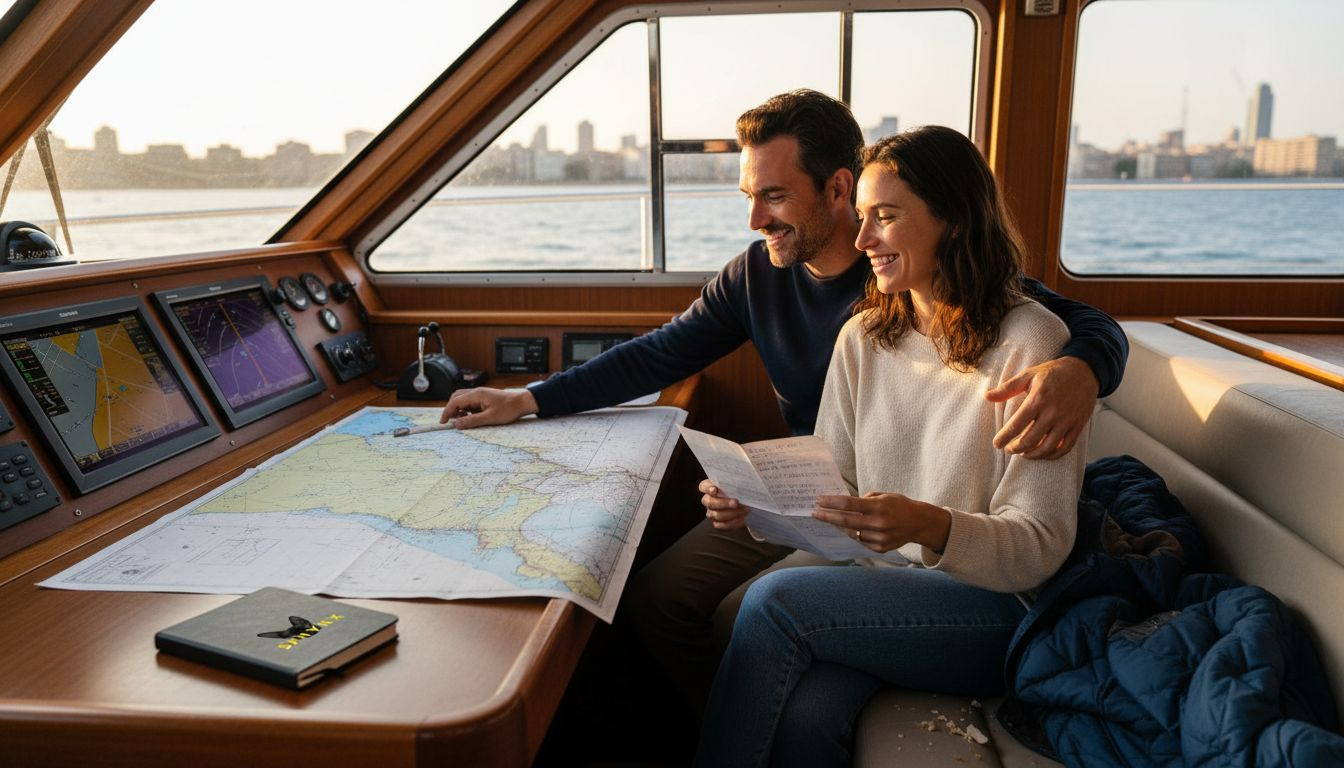
Barcelona’s marina infrastructure provides the foundation for exceptional yacht tourism experiences. Port Vell and Port Olímpic offer exclusivity and proximity that enhance luxury nautical tourism appeal, positioning vessels minutes from Gothic Quarter attractions whilst maintaining waterfront serenity. The legacy of major events like America’s Cup continues elevating marina standards, with improved facilities and services that meet international expectations. This infrastructure investment creates lasting competitive advantages for destinations serious about capturing yacht tourism revenue.
Critical priorities for yacht tourists include:
- Comprehensive sailing programmes tailored to experience levels from novice to expert sailors
- Rigorous safety education covering emergency procedures, weather awareness, and navigation basics
- Attentive service that anticipates needs without intrusive oversight of guest activities
- Accessible booking systems with transparent pricing and flexible itinerary customisation options
Pro Tip: Request detailed information about your charter operator’s safety certifications and crew qualifications before booking. Reputable companies readily share credentials and welcome questions about protocols, whilst evasive responses signal potential quality concerns.
The personalisation possibilities extend beyond route selection. Machine learning algorithms now cluster yacht tourists by preferences and behaviours, enabling operators to recommend experiences aligned with individual interests. A couple celebrating an anniversary receives different suggestions than a family introducing children to sailing or corporate clients hosting business partners. This data-driven customisation improves satisfaction whilst increasing ancillary revenue through targeted add-on services.
Ultimate luxury yacht tours combine these experiential elements into cohesive journeys that showcase Barcelona’s maritime heritage. Guests explore secluded coves inaccessible by land, enjoy gourmet dining prepared by private chefs, and receive cultural context from knowledgeable crew members. The intimacy of small group settings fosters genuine connections amongst passengers whilst maintaining the privacy that affluent travellers value. These curated experiences justify premium pricing because they deliver memories and access that no hotel or restaurant can replicate.
Barcelona sailing tours also introduce novice sailors to nautical tourism through shared charters and instructional programmes. This accessibility expands the market beyond ultra-high-net-worth individuals to include affluent professionals seeking unique weekend activities. By offering entry points at various price tiers and experience levels, operators build long-term client relationships that evolve as customers’ skills and budgets grow.
Business models and sustainability challenges in yacht charters
The yacht charter industry employs diverse business approaches that balance profitability with evolving client expectations. Traditional bareboat and crewed charter models now compete with sharing economy platforms that democratise access whilst maintaining luxury standards. Understanding these operational frameworks reveals how companies generate revenue and where sustainability initiatives fit within financial constraints.
| Business Model | Pricing Strategy | Target Market | Typical Margins |
| — | — | — |
| Bareboat charter | Fixed daily rates plus deposits | Experienced sailors seeking autonomy | 15-25% after costs |
| Crewed charter | Premium pricing with crew included | Affluent clients wanting full service | 25-35% with add-ons |
| Sharing platforms | Dynamic pricing with 20-40% peak premiums | Mixed demographics seeking access | 30-45% platform fees |
| Corporate packages | Negotiated rates with volume discounts | Business events and team building | 20-30% with loyalty |
Revenue optimisation relies heavily on dynamic pricing algorithms that adjust rates based on demand signals, weather forecasts, and competitor availability. Peak summer weekends command premiums of 20-40% above baseline rates, whilst shoulder season discounts attract budget-conscious clients who provide steady cash flow. Loyalty programmes encourage repeat bookings through tiered benefits that increase with cumulative spending, creating predictable revenue streams that support fleet expansion and upgrades.
Sustainability challenges present both operational costs and marketing opportunities as environmentally conscious travellers scrutinise charter companies’ environmental practices:
- Transitioning to hybrid propulsion systems and HVO fuel reduces CO2 emissions by up to 90% but requires significant capital investment
- Installing solar panels and battery storage decreases generator runtime whilst lowering noise pollution in anchorages
- Implementing greywater treatment systems prevents discharge of sewage and cleaning products into sensitive marine environments
- Training crews in responsible anchoring techniques protects seagrass beds and coral ecosystems from physical damage
- Partnering with eco-certified marinas ensures shore-side operations align with vessel sustainability commitments
Pro Tip: Ask charter operators about their specific environmental initiatives and request data on fuel consumption or emissions reductions. Companies genuinely committed to sustainability provide transparent metrics, whilst vague claims about being “eco-friendly” often mask inaction.
The financial calculus of sustainability investments becomes clearer when considering long-term operational savings and premium pricing potential. Hybrid propulsion systems reduce fuel costs by 30-50% over five years, offsetting initial expenses whilst appealing to environmentally conscious clients willing to pay extra for responsible tourism. Insurance providers increasingly offer discounts for vessels meeting environmental standards, recognising reduced risk profiles associated with modern, well-maintained fleets.
Affluent traveller preferences increasingly incorporate environmental responsibility alongside traditional luxury markers. Younger high-net-worth individuals particularly scrutinise companies’ sustainability credentials, making green investments essential for capturing emerging market segments. This demographic shift transforms environmental initiatives from optional marketing angles into competitive necessities that influence booking decisions and brand perception.
Balancing luxury tourism benefits with environmental and infrastructure impacts
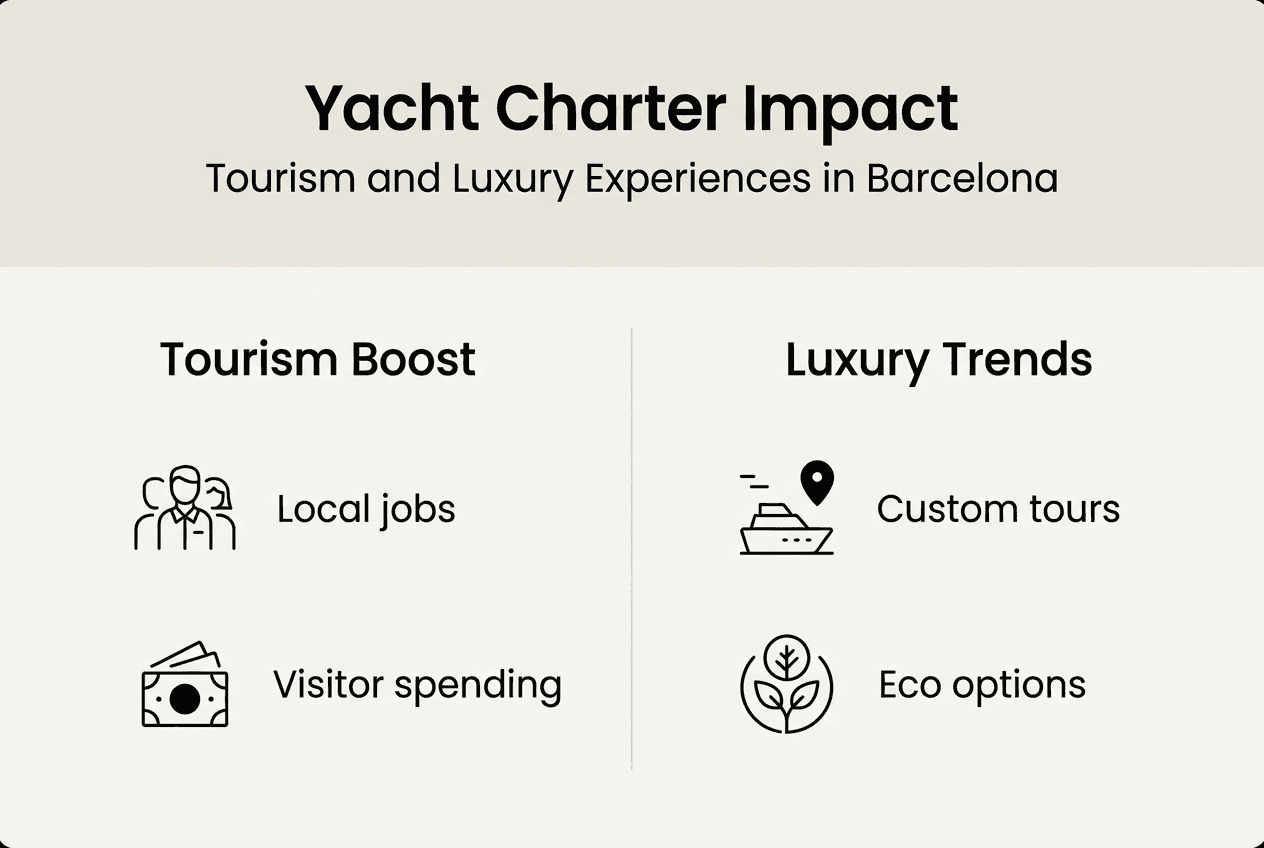
Yacht charter growth generates undeniable economic benefits whilst simultaneously straining coastal infrastructure and marine ecosystems. Honest assessment of these trade-offs enables stakeholders to implement solutions that preserve the natural assets attracting visitors in the first place. Ignoring environmental impacts ultimately undermines the industry’s long-term viability as degraded destinations lose appeal.
Key pressures from yacht tourism include:
- Marina capacity constraints during peak seasons create berthing shortages and inflated fees that frustrate operators and clients
- Increased vessel traffic in marine protected areas disturbs wildlife breeding grounds and feeding patterns
- Anchor damage to seagrass meadows and coral reefs destroys habitat that supports biodiversity and fisheries
- Waste generation from provisioning and onboard consumption overwhelms local disposal infrastructure
- Noise and light pollution from vessels and marinas affects coastal communities and nocturnal marine species
“Superyachts account for 10% of Mediterranean fleet but generate disproportionate environmental impact through higher emissions, greater anchoring damage to sensitive habitats, and concentrated pressure on marina facilities and marine protected areas.”
Recent research presents a more nuanced environmental picture than simplistic narratives suggest. Analysis comparing yacht tourism to mass cruise ship arrivals reveals that per capita environmental impact often favours smaller yacht charters, particularly when operators implement sustainability best practices. A yacht carrying 12 passengers generates less total waste and emissions than a cruise ship disgorging 3,000 tourists into a port city for six hours. The key distinction lies in operational practices rather than vessel type alone.
Responsible charter operators actively mitigate environmental impacts through several approaches. Designated anchoring zones with mooring buoys eliminate seagrass damage whilst providing secure holding in popular anchorages. Onboard waste separation and shore-side recycling partnerships prevent marine litter. Speed restrictions near marine protected areas reduce collision risks with marine mammals and minimise wake damage to sensitive shorelines. These practices require coordination between operators, marina managers, and environmental authorities to establish clear guidelines and enforcement mechanisms.
Destination management becomes crucial as yacht tourism expands. Barcelona and similar cities must balance marina development with preservation of public waterfront access and marine ecosystem health. Zoning regulations that limit vessel numbers in sensitive areas, combined with premium pricing for access permits, generate revenue for conservation whilst controlling environmental pressure. Yacht tourism sustainability requires ongoing dialogue between industry stakeholders and environmental advocates to develop solutions acceptable to all parties.
Educated consumers drive positive change by choosing operators demonstrating genuine environmental commitment. Asking detailed questions about sustainability practices, requesting emissions data, and prioritising certified eco-friendly charters sends market signals that influence industry behaviour. Affluent travellers possess purchasing power to reward responsible operators whilst penalising those prioritising short-term profits over environmental stewardship. This consumer activism complements regulatory approaches to accelerate adoption of sustainable practices across the yacht charter sector.
Explore exclusive yacht charter experiences in Barcelona with SphynxBCN
Experiencing Barcelona’s coastline from a private yacht transforms your understanding of this Mediterranean jewel. SphynxBCN curates bespoke sailing experiences that combine the economic insights, safety standards, and sustainability practices discussed throughout this article into unforgettable maritime journeys.
Our services deliver the exclusivity and personalisation that discerning travellers expect:
- Private charters with flexible itineraries exploring hidden coves and coastal villages beyond standard tourist routes
- Customised sailing routes designed around your interests, whether cultural immersion, water sports, or serene relaxation
- Superior onboard hospitality including gourmet catering, premium beverages, and attentive crew service
- Safety-certified vessels and experienced captains ensuring peace of mind throughout your journey
Pro Tip: Book your visita privada en yate at least four weeks in advance during peak season to secure your preferred dates and vessel. Early reservations also allow time for detailed itinerary customisation that aligns perfectly with your Barcelona visit.
Whether you seek a romantic sunset cruise, a family adventure introducing children to sailing, or a corporate event that impresses international clients, our team crafts experiences reflecting your vision. We apply the same attention to safety, service quality, and environmental responsibility that distinguish leading yacht tourism operators worldwide. Discover why yacht charters appeal to affluent travelers through a journey that showcases Barcelona’s maritime heritage whilst supporting sustainable tourism practices. Contact us to begin planning your exclusive Mediterranean sailing experience.
Frequently asked questions
What economic benefits do yacht charters bring to Barcelona?
Yacht charters inject millions into Barcelona’s economy through direct spending at marinas, luxury accommodations, restaurants, and retail establishments frequented by yacht tourists. The America’s Cup 2024 exemplified this impact, with 244 superyachts generating €35M in local spending whilst creating 12,872 jobs and delivering €208.5M in tax revenue. These economic contributions extend beyond the event itself, as improved marina infrastructure and enhanced international reputation continue attracting yacht tourism long after competitions conclude.
How do yacht charters enhance the experience for affluent travellers?
Yacht charters provide unparalleled privacy, personalisation, and access that traditional luxury accommodations cannot match. Guests enjoy exclusive access to secluded anchorages, customised itineraries reflecting individual interests, and attentive service from experienced crews dedicated solely to their comfort. Safety programmes and comprehensive briefings ensure even novice sailors feel confident, whilst Barcelona’s premier marinas offer proximity to cultural attractions combined with waterfront serenity. This combination of exclusivity, flexibility, and expert guidance creates memorable experiences justifying premium pricing.
What sustainability practices are emerging in the yacht charter industry?
Leading operators increasingly adopt hybrid propulsion systems and sustainable HVO fuel that reduce CO2 emissions by up to 90% compared to conventional diesel engines. Solar panels and battery storage minimise generator runtime, decreasing both emissions and noise pollution in sensitive anchorages. Responsible anchoring techniques using designated mooring buoys protect seagrass meadows and coral reefs from physical damage. Partnerships with eco-certified marinas ensure shore-side operations align with vessel sustainability commitments, creating comprehensive environmental programmes that appeal to conscious luxury travellers whilst reducing long-term operational costs.
How do yacht charter business models balance profitability with sustainability?
Successful operators employ dynamic pricing strategies that command 20-40% premiums during peak demand whilst offering shoulder season discounts that maintain steady revenue. Loyalty programmes encourage repeat bookings through tiered benefits, creating predictable income streams supporting fleet upgrades and sustainability investments. Environmental initiatives like hybrid propulsion reduce fuel costs by 30-50% over five years, offsetting capital expenses whilst enabling premium pricing for eco-conscious clients. This financial approach demonstrates that sustainability and profitability reinforce rather than conflict with each other when implemented strategically.